Quick Answer: For many startups, cross-platform development can reduce duplicated work and help launch an app on Android and iOS with a shared codebase. Native development can be more suitable for apps that require advanced hardware access, specialised performance, or platform-specific experiences. The right choice depends on budget, speed, technical requirements, target users, and the long-term product roadmap. Last Updated: September 2026
Introduction
The decision to use native development or cross-platform development is a critical one for a startup since the type of technology used may influence the budget, speed of launching, and the subsequent growth of a product. A startup may not necessarily require the same development strategy as an established brand.
It is important to know what the product requires at the present and where it might be in the future. Such a difference can be as little as a basic marketplace or booking application compared to a gaming, healthcare, fintech, or hardware-linked application.
Key Takeaways
- The duplication of development work in startups can be minimized by cross-platform development.
- Native development offers more access to platform specifics.
- In 2026, cross-platform frameworks with great popularity are Flutter and React Native.
- Development across platforms can be appealing due to startup budgets and speed of launch.
- Native development may work for performance-intensive and hardware-intensive products.
What Is the Difference Between Native and Cross-Platform App Development?
Native app development refers to the development of a particular application for a single operating system. Android applications typically are written in Kotlin and iOS applications may be written in Swift. Native development provides developers direct access to platform APIs and platform capabilities, where specialised performance or platform-specific functionality is required by the application.
Cross-platform development involves developing based on a common codebase to create applications across platforms. Flutter and React Native are common methods, with Kotlin Multiplatform being another means of sharing application logic.
In the case of startups, this difference is important since it may affect development funds, testing, maintenance, and the level of work duplication that is needed to support Android and iOS.
How Do Budget and Speed Affect the Startup Decision?
Launch speed and budget are the key aspects of startup product development. Cross-platform development can enable developers to reuse much application code when a startup requires similar functionality on both Android and iOS. This can assist in avoiding duplication of work and more of the budget can be directed towards product design, backend systems, testing, security and customer validation.
Nevertheless, cross-platform does not necessarily render a complete project costly. Engineering is still needed to create a backend, APIs, cloud infrastructure, authentication, payments, integrations, UI/UX, testing, and maintenance.
Development Budget
Startups would be wise to compute the entire product cost rather than making a comparison on the basis of the cost of writing application code. An initially lower estimate of development could not always be low when the project needs a lot of native development or custom integrations.
Launch Timeline
A shared codebase would assist teams in providing common features on both Android and iOS by not having to re-implement each feature separately. It can be handy in cases when an MVP must be validated in a short period of time by a startup.
Future Growth
The product roadmap must also be available in the technology decision. A solution that is suitable in an MVP ought not to pose undue technical constraints as the application increases.
Flutter vs React Native 2026: Which Should Startups Consider?
Flutter vs React Native 2026 is a valuable comparison that startups should take into account when deciding on cross-platform development. Flutter is built on Dart, and offers a platform-agnostic presentation of applications. React Native is written in JavaScript or TypeScript with React concepts, and exposes the capabilities of native platforms.
It should not be decided on the basis of the more popular framework. Startups ought to contemplate their current development capabilities, staffing strategy, necessary integrations, user interface demands, performance demands, and maintenance in the long term.
Flutter
Flutter may be used when a start-up wishes to have an extremely controlled UI and widespread platform development.
React Native
React Native may also be applicable to teams that are already familiar with React and JavaScript, and where the product will require native access and something to share with the application code.
Kotlin Multiplatform
Another strategy is Kotlin Multiplatform, which enables teams to have selected application logic and still have native features where needed.
The best alternative is based on the product and the team that supports it. An experienced React team might take a different approach to React Native, compared to a startup whose developers are already familiar with Kotlin.
What Are the Pros and Cons of Cross-Platform App Development?
Cross-platform app development may be feasible when a start-up wants to be able to target Android and iOS without having to maintain two entirely different application codebases. It is especially effective with products like e-commerce applications, booking platforms, SaaS companion applications, education platforms, customer portals, service marketplaces, as well as business applications.
The primary benefit is shared code. But there are limitations with cross-platform development as well. Some more advanced functionality might necessitate native modules, but updates to frameworks, dependencies, integrations, and platform disparities still need to be handled.
Cross-Platform Pros
- Shared code can reduce duplicated development.
- One development team can potentially support multiple platforms.
- Features can be coordinated across Android and iOS.
- It can be suitable for many startup MVPs.
- Standard business workflows can often be developed efficiently.
Cross-Platform Cons
- Advanced platform features may require native code.
- Third-party dependencies need ongoing maintenance.
- Highly platform-specific interfaces can require additional development.
- Performance-sensitive features require careful engineering.
- Framework and operating-system updates must be managed.
Cross-platform development should therefore be viewed as a product strategy rather than simply a cheaper alternative to native development.
When Should a Startup Choose Native Development?
Native development is more applicable when the application requires significant capabilities of the device, performance, or it relies on a very particular platform experience. A startup creating a standard booking application has different requirements from one building advanced camera processing, gaming, AR, or hardware-connected software.
Advanced Hardware
Direct platform access might be helpful to applications that heavily utilize cameras, Bluetooth, sensors, GPS, or other specialised device capabilities.
High Performance
Gaming, advanced video processing, intensive graphics, and demanding on-device processing may require tighter control over the operating system and hardware.
Platform-Specific Experiences
Some products are designed around the unique capabilities and design patterns of one ecosystem. In these cases, native development can provide greater control.
Single-Platform Launch
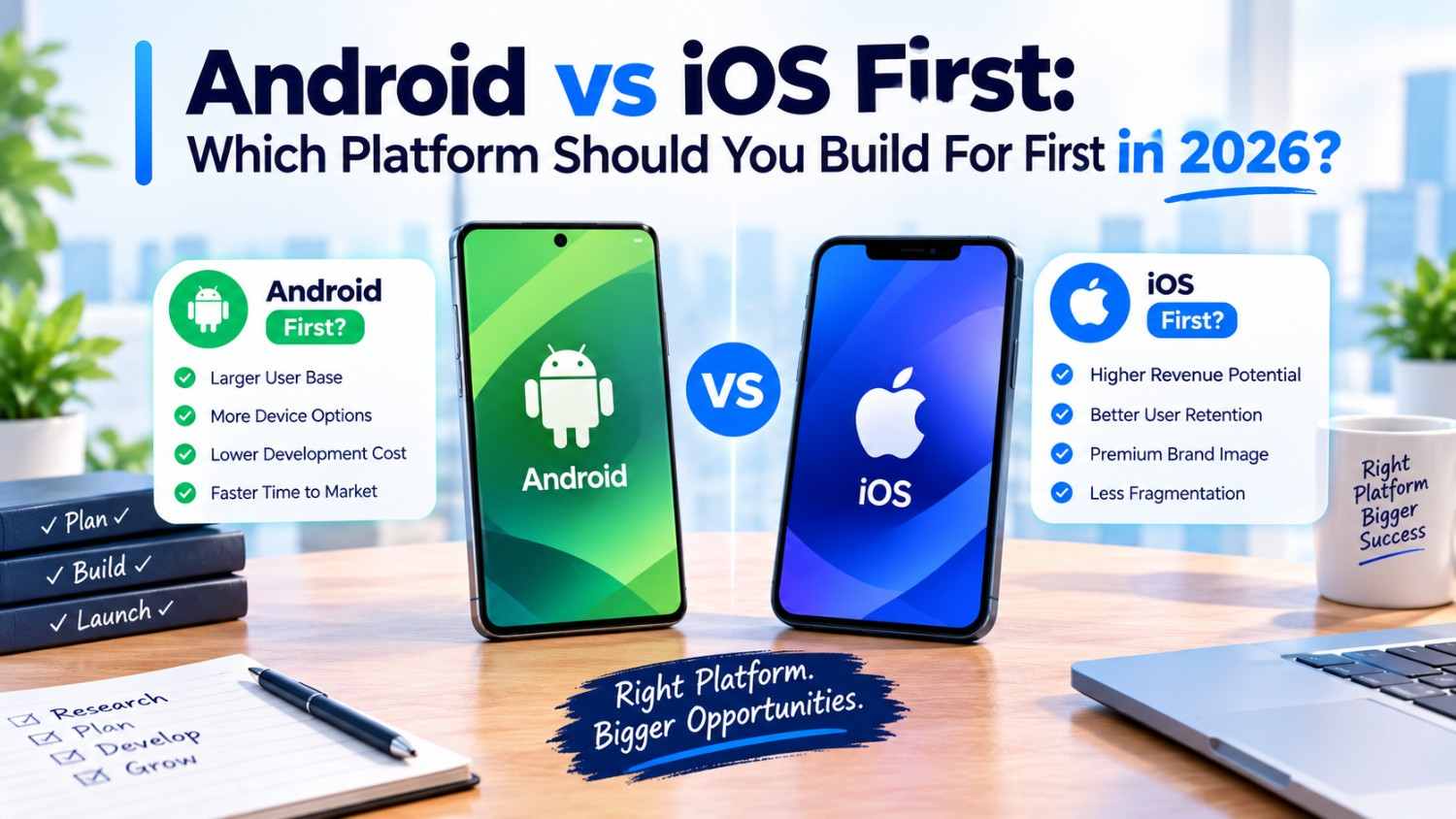
A startup does not always need to launch on both platforms immediately. If its initial audience is concentrated on one platform, building natively for that platform can be considered before expanding.
Native development should not be selected simply because it sounds more advanced. It should solve a clear product requirement.
How TechDigital Labs Helps Startups Choose the Right App Development Approach
As a full-service digital product and marketing agency, TechDigital Labs approaches mobile app development by looking at the complete product rather than selecting a technology first. The team takes into account business concept, target users, MVP needs, user interface/user experience, platform needs, and scalability in the future.
In the case of a startup that has to choose between cross-platform and native development, it translates to the consideration of shared development capability to meet the product requirements or whether certain features need greater native capabilities.
As an experienced software development and digital marketing partner, TechDigital Labs has worked in the mobile app development, UI/UX design, and custom software development fields, so it aids businesses in transforming their product ideas into formulated development strategies.
Conclusion
The question of native vs. cross-platform app development in 2026 is not a race between technologies, but the need to create a product. Cross-platform development may assist startups to manage duplicated effort and move to Android and iOS utilizing a shared development model, whereas native development may offer higher control for performance-intensive, hardware-intensive, or platform-specific apps.
The decision should be made by startups taking into account their budget, the date of launch, the platform of interest, the features required, the team that will do it, and their long-term roadmap. The correct architecture is the architecture that can support the product and not impose an undue cost or technical constraint.
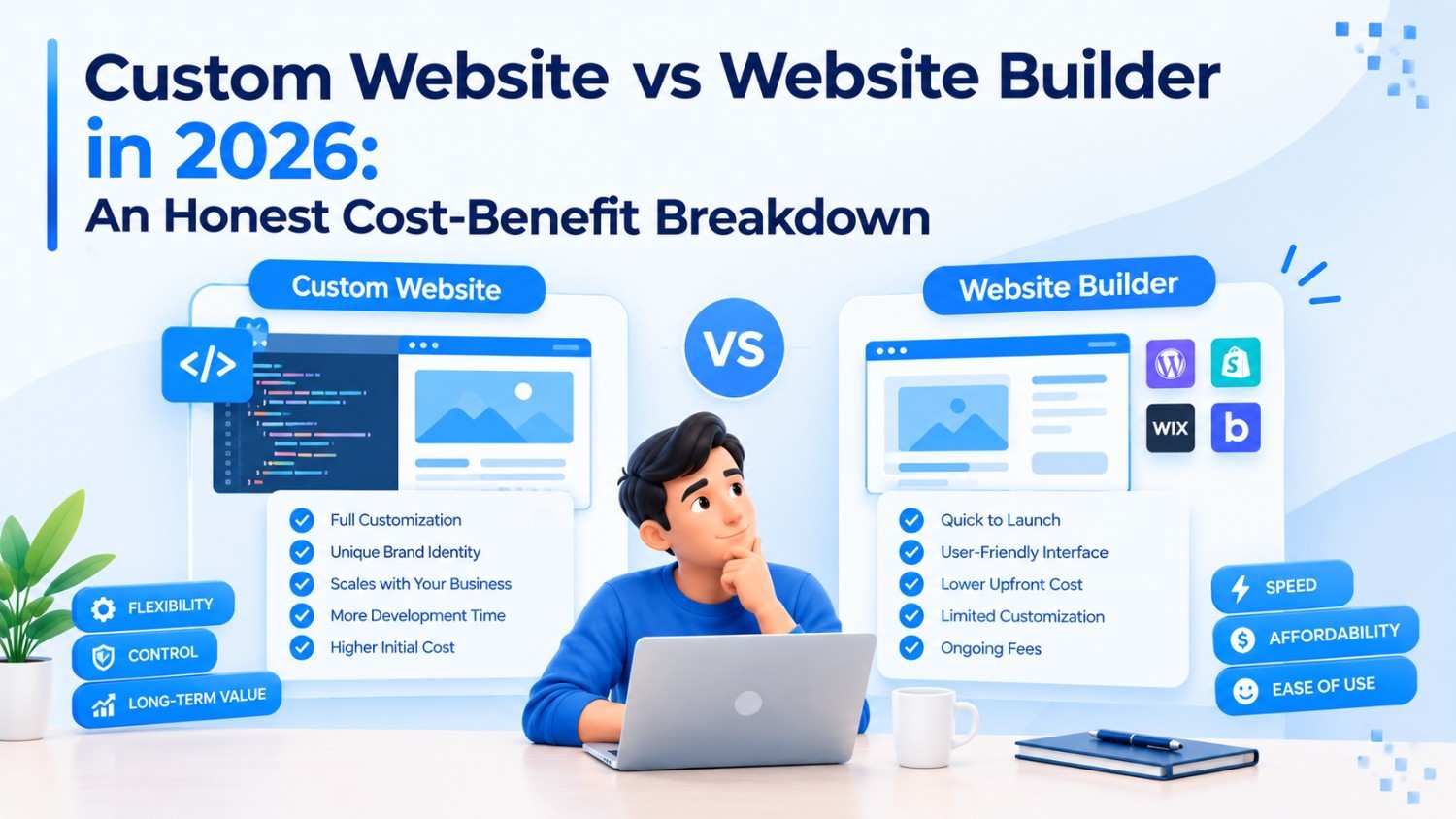
Startups that also need a supporting website or deeper engineering work can explore TechDigital Labs’ web development and custom software development services, compare a custom website vs. a website builder before committing engineering resources, or contact TechDigital Labs to plan the right approach.
Author Expertise
This guide was developed by the TechDigital Labs Editorial Team, who have expertise in mobile app development, UI/UX design, custom software development, and digital product strategy. The team works with companies that create mobile products in which the cost, usability, technical performance, launch speed, and scalability must be balanced.