Quick Answer: AI Overviews are not replacing traditional SEO in 2026. They are changing how search users find and evaluate information, while search engine optimization continues to build the technical foundation, rankings, content quality, and authority that AI systems draw from. Businesses still need clear, direct answers, strong brand signals, helpful resources, and content that can support both AI-generated responses and deeper search experiences. Last Reviewed: September 16, 2026
Written by Memoona Zafar Butt, SEO & Content Strategist at TechDigital Labs — specialists in SEO, Answer Engine Optimization, Generative Engine Optimization, content strategy, and digital marketing. The team builds search strategies that help businesses grow visibility across traditional and AI-powered search.
Search is evolving quickly in 2026. AI Overviews are reshaping how people find information, but traditional SEO still powers business visibility online. People now turn to search engines, generative AI tools, maps, reviews, and brand websites to get answers, and that shift is changing how businesses create content and build trust online.
That doesn't make SEO outdated. Instead, companies need a well-planned search engine optimization strategy, informative content, strong brand signals, and information built for AI-powered search. When AI Overviews and traditional SEO work together, your business can stay visible, trusted, and competitive throughout this new stage of search.
Key Takeaways
- Visibility on Google Search still depends on traditional SEO fundamentals.
- AI Overviews can answer a search before a user ever visits a website.
- Clear answers, demonstrated expertise, fresh information, and credible sources matter more than ever.
- Businesses should track brand mentions, brand recognition, sales, impressions, and rankings together.
What Are AI Overviews?
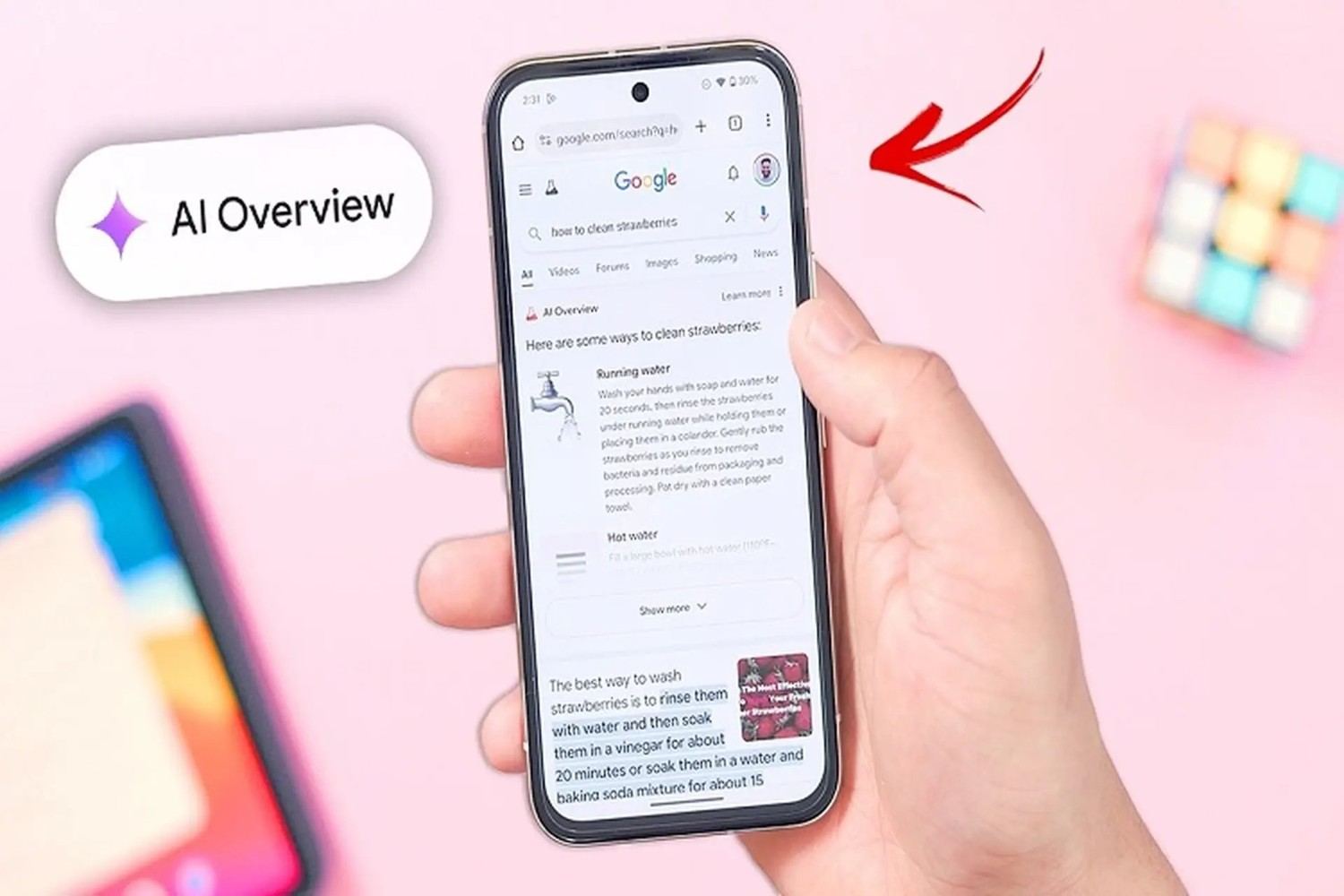
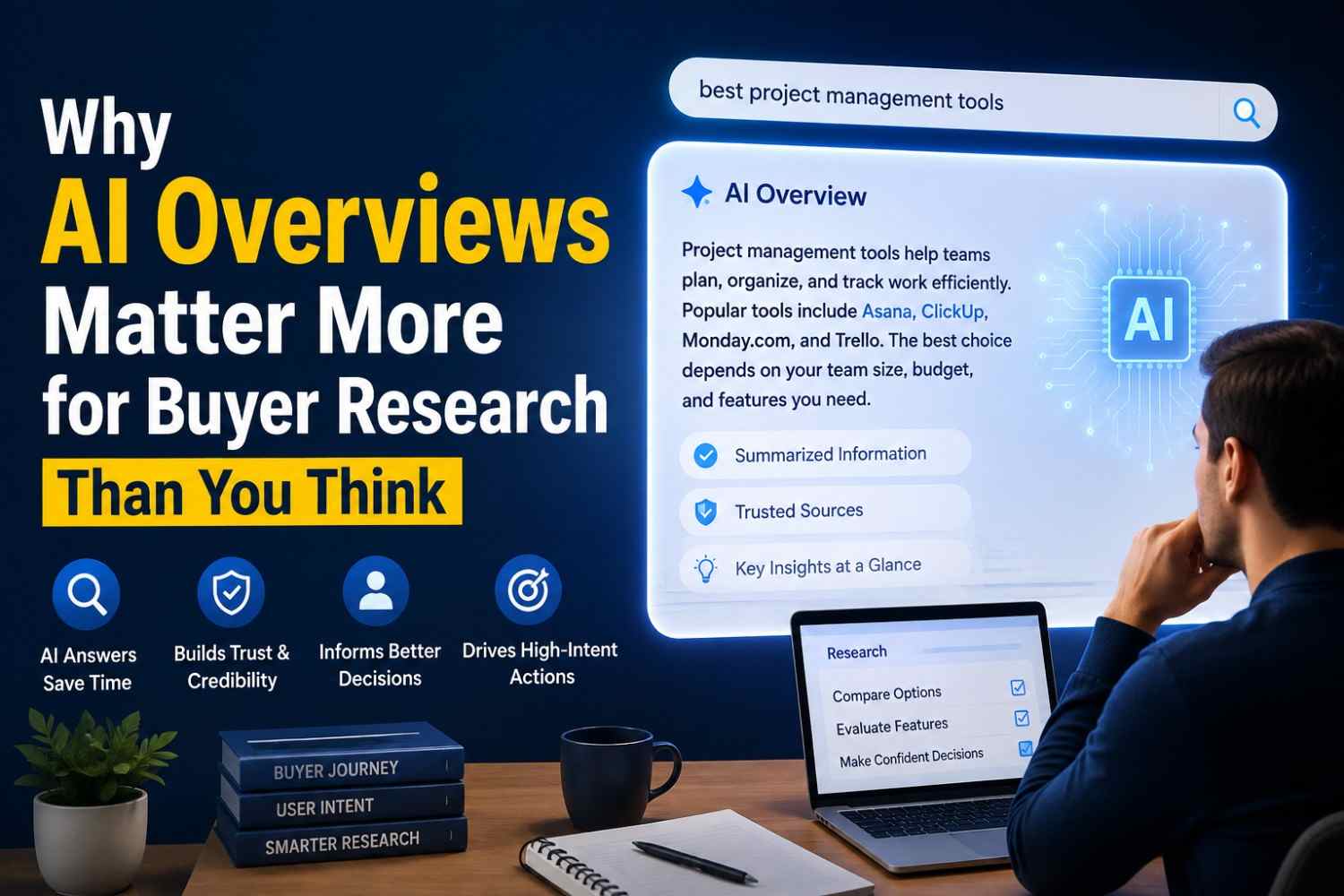
AI Overviews are AI-generated summaries that appear on Google Search when they can answer a user's question directly. They pull information from across the web and include links users can follow to research further. For a closer look at how this surface compares with Google's newer conversational search experience, see our breakdown of AI Overviews vs AI Mode.
This changes the first step of the search journey. A user can find a useful answer before ever reaching the traditional organic results. That means businesses now need content that performs well both in standard search results and inside the AI-generated answer above them.
According to Google, AI Overviews already reach more than 2.5 billion monthly users, and AI Mode has surpassed 1 billion monthly users within its first year. At that scale, AI search is difficult for any business to overlook.
What Is Traditional SEO?
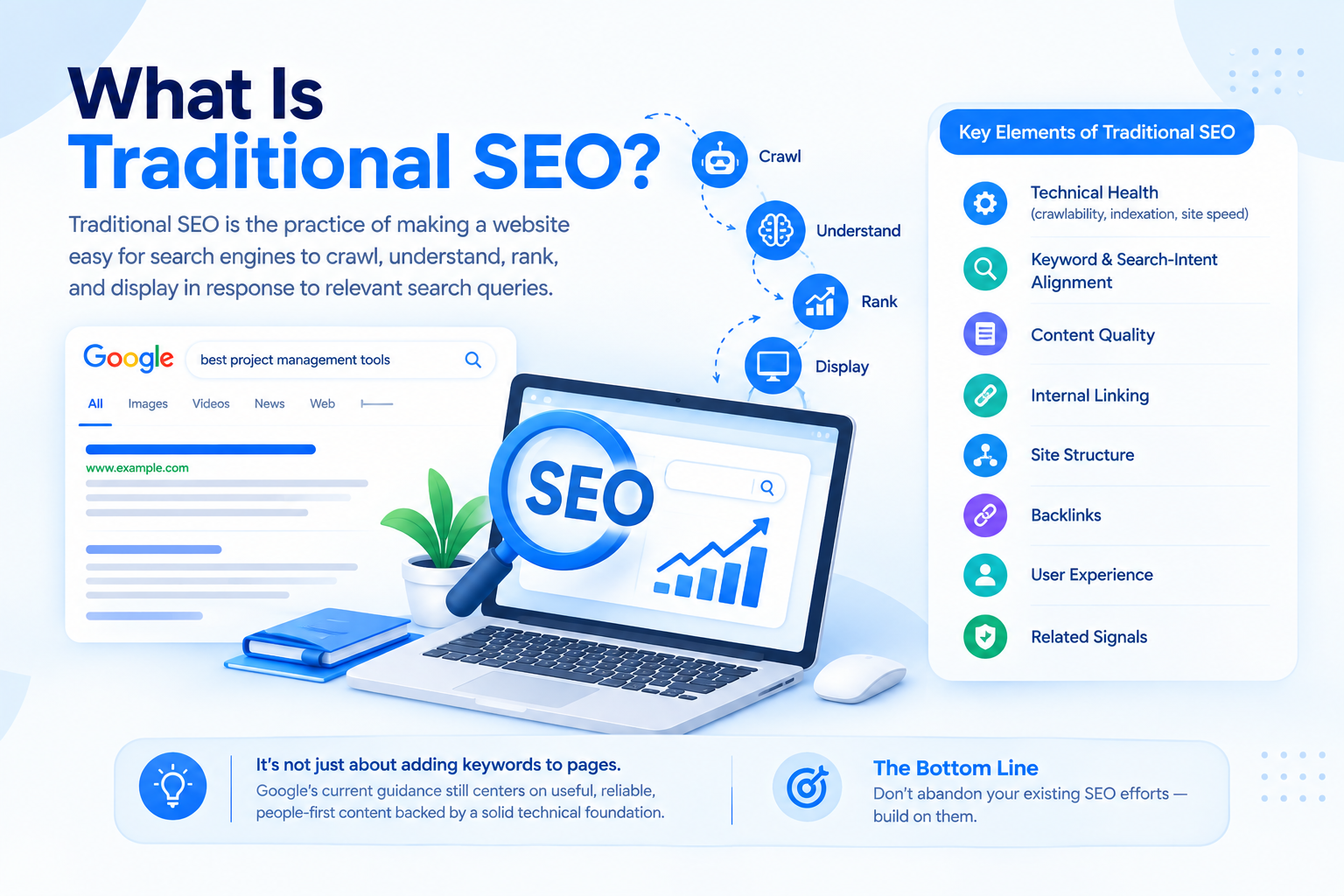
Traditional SEO is the practice of making a website easy for search engines to crawl, understand, rank, and display in response to relevant search queries. It covers technical health, keyword and search-intent alignment, content quality, internal linking, site structure, backlinks, user experience, and related signals.
But SEO isn't just adding keywords to pages. Google's current guidance still centers on useful, reliable, people-first content backed by a solid technical foundation. That means businesses shouldn't abandon their existing SEO efforts — they should build on them.
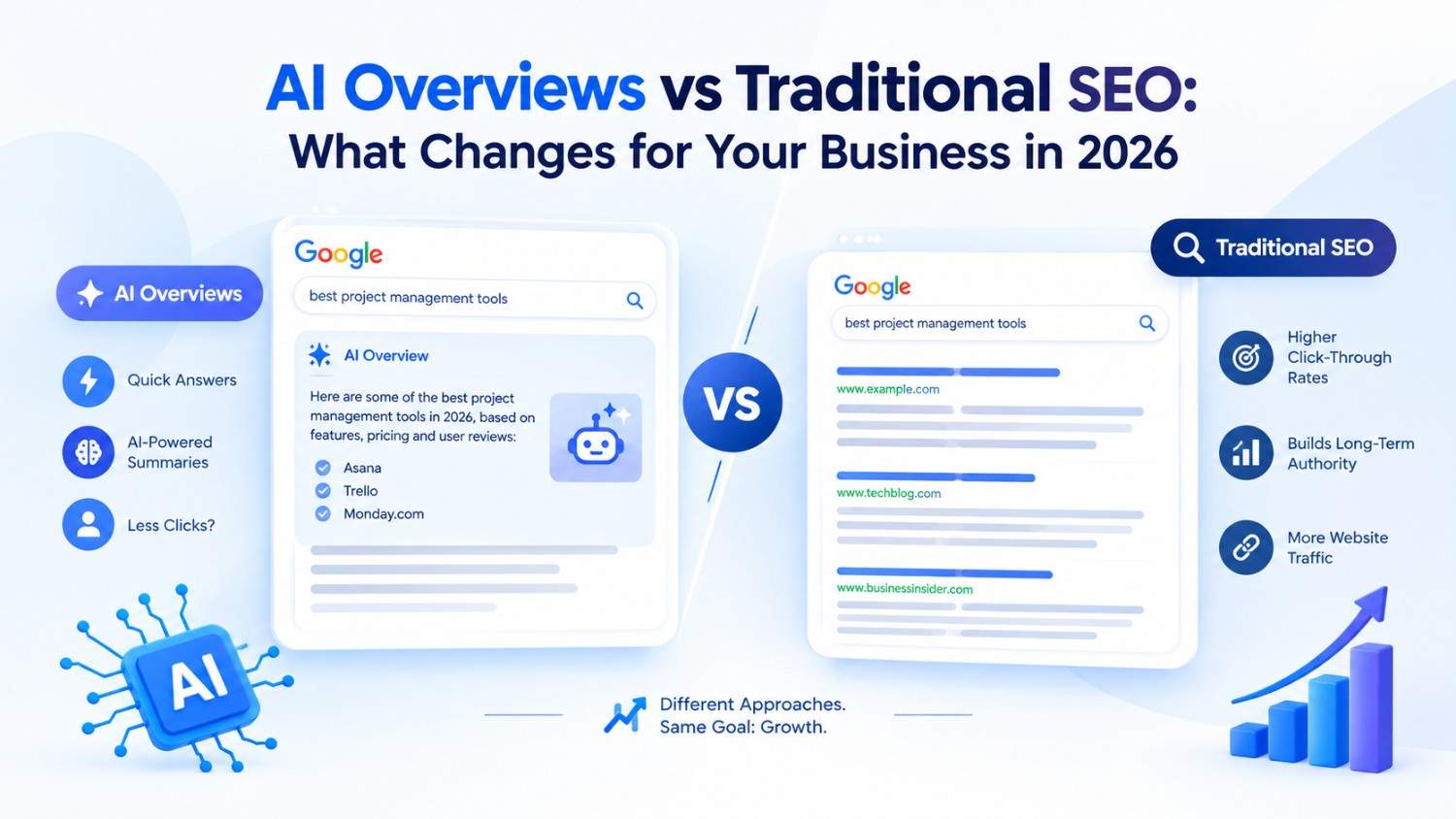
AI Overviews vs Traditional SEO: What Is the Difference?
The main difference is where and how a user receives information. Traditional SEO helps a page rank in search results. AI Overviews pull data from multiple sources to construct a direct answer.
| Traditional SEO | AI Overviews |
| Focuses on search ranking | Focuses on AI-generated answers |
| Uses technical SEO and content | Uses web information to construct responses |
| Targets search intent | Handles broader questions and context |
| Measures rankings and clicks | Needs visibility and citation tracking as well |
| Builds page-level visibility | Can build brand-level visibility |
Still, the two strategies are connected. Even a strong website gives AI search systems meaningful information to reference and cite.
Why Traditional SEO Still Matters in 2026
Traditional SEO hasn't lost its importance, because AI search still relies on information published across the web. A business needs a site that search engines can crawl and understand, backed by helpful pages, clear services, strong internal linking, credible references, and solid technical health. Getting the core SEO fundamentals right is still the foundation everything else builds on.
Google's guidance on generative AI search still tells site owners not to abandon SEO principles. Google also continues to emphasize unique, valuable, people-first content over content built to manipulate AI results. AI Overviews aren't a reason to stop doing SEO — they're a reason to make SEO more useful.
AI Changes the Search Journey
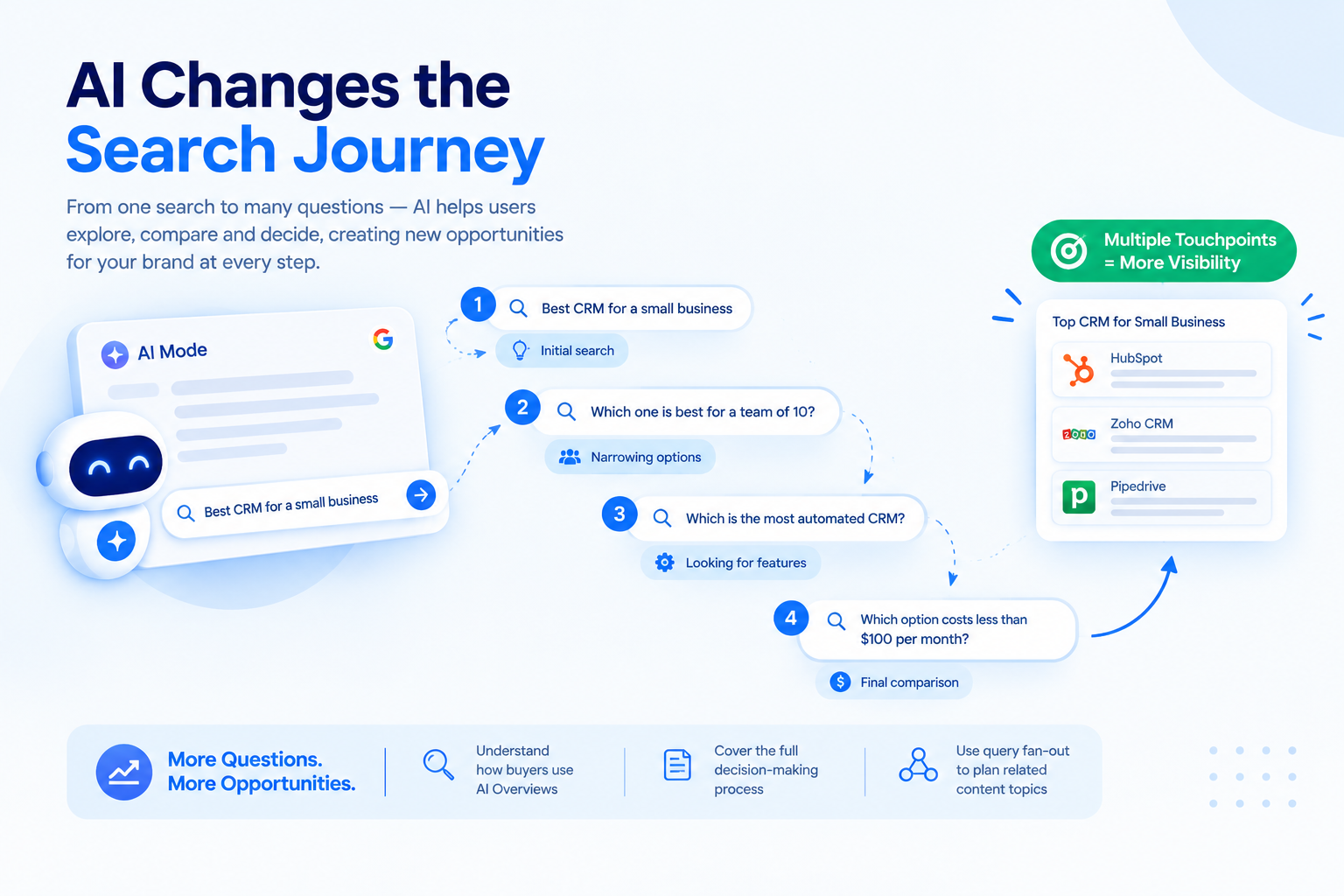
AI search reshapes the customer experience by letting users move into deeper research more easily.
For example, a user might search:
"Best CRM for a small business."
The next question might be:
"Which one is best for a team of 10?"
Then:
"Which is the most automated CRM?"
Then:
"Which option costs less than $100 per month?"
Every step is a fresh opportunity for a brand to show up — which is why understanding how buyers use AI Overviews for research matters for content planning. According to Google, AI Mode can answer follow-up questions and break complex searches into related subtopics. At Google I/O 2026, the company reported that AI Mode queries have more than doubled each quarter since launch.
As a result, companies need content that covers the full decision-making process, not just a single keyword. Understanding how query fan-out works can help content teams plan for the many related questions AI systems generate from a single search.
What Businesses Need to Change
The biggest shift is that businesses now need to optimize for both answers and rankings. That means every valuable page should make its intent clear from the start — open with a direct answer, then support it with helpful detail, evidence, examples, and statistics.
For example, a software company can't just publish a page titled "CRM Software." It also needs to answer questions about features, pricing, use cases, integrations, security, setup, and comparisons. This approach helps users and gives search systems more useful information to work with.
Build Content That AI Can Understand
AI-friendly content is clear, well-supported content that doesn't strip out useful detail. Use clear headings. Define terms early. Keep paragraphs focused. Add detail where it's needed. Include real examples.
Avoid publishing multiple pages that repeat the same basic information. Google's current guidance doesn't call for a specific AI-content format or word count — the priority is original content that genuinely contributes to the topic.
Strengthen Your Brand Entity
A brand entity is the connected body of information that helps search engines understand a company — its services, people, products, and market. This matters even more as AI systems pull together information from many different sources.
Keep your:
- Business name consistent
- Services accurate
- Locations clear
- Leadership information current
- About pages useful
- Author information visible
- Business profiles updated
- Third-party mentions relevant
For example, if your site claims to offer SEO services in a certain area but your main business profiles say otherwise, search engines may not trust that information. Consistency makes a brand easier to understand.
Build Authority Beyond Your Website
Off-site authority is information about a business that originates on other websites rather than its own — industry publications, trusted directories, customer reviews, expert contributions, digital PR, community forums, and legitimate mentions. This matters because AI systems draw on information from many sources, not just one.
According to BrightLocal's 2026 research, 45% of consumers have used AI tools to find local business recommendations, up from just 6% the year before, making AI the third most-used source for local business recommendations. The takeaway: businesses need to build a reputation across the rest of the web, not just on their own site.
Measure More Than Rankings
AI search means companies need to measure SEO success beyond rankings and organic clicks.
Keep tracking:
- Organic rankings
- Organic impressions
- Organic traffic
- Click-through rates
- Conversions
- Leads
- Branded searches
- Referral traffic
- Brand mentions
- AI citations
- AI recommendations
BrightLocal's research also found that 88% of consumers fact-check reviews cited by AI tools. Being visible isn't enough on its own — the information behind that visibility needs to be trustworthy too.
Does GEO Replace Traditional SEO?
GEO shouldn't replace traditional SEO. Generative Engine Optimization focuses on making information easier to understand and use within generative search experiences, but it still relies on the same foundation as a dependable SEO strategy: technical health, useful content, clear site structure, expertise, and reliable information.
Recent discussions on Reddit show that many SEO practitioners are asking whether traditional SEO alone is enough in the age of AI Overviews. The recurring theme: AI visibility adds a new layer rather than replacing SEO outright — which is the more realistic way for businesses to think about it in 2026.
How TechDigital Labs Can Help
TechDigital Labs helps businesses build visibility across both traditional and AI-powered search. Our services include SEO Services, Technical SEO, On-Page SEO, Off-Page SEO, Local SEO, SEO Content Writing, Answer Engine Optimization, and Generative Engine Optimization.
We also offer Digital PR Outreach, Website Copywriting, Content Marketing, PPC Advertising, Social Media Marketing, Web Development, UI/UX Design, App Development, and Custom Software Development.
Together, these services build a stronger digital presence: SEO drives search visibility, content answers customer needs, AEO supports answer-based discovery, GEO strengthens generative search performance, and digital PR adds trusted third-party signals.
Not sure where your current strategy stands? Talk to our SEO team for a free review of how your site performs across both traditional search and AI Overviews.
Final Thoughts
AI Overviews don't replace traditional SEO — they change the search experience around it.
In 2026, businesses need both. Traditional SEO helps search systems find and understand your site. Strong content answers the questions users are asking. Authority builds trust. Clear brand information helps AI systems understand your business. Investing in professional SEO services gives you the foundation to compete on both fronts.
Google's AI search products are already running at massive scale — AI Overviews reach more than 2.5 billion monthly users, and AI Mode has passed 1 billion monthly users.
So the real question isn't whether your business should use SEO or AI search.
It's whether your SEO strategy is strong enough to support both.
Frequently Asked Questions
Is traditional SEO still important with AI Overviews?
Yes. Traditional SEO is the foundation that helps search systems crawl, understand, and surface content on websites. AI search adds another way users interact with that information. In 2026, SEO conversations commonly describe AI visibility as an added layer on top of an effective SEO strategy, not a replacement for one.
Can a website rank well but not appear in an AI Overview?
Yes. A high ranking doesn't guarantee a page will be selected for every AI-generated answer. Depending on the question and context, AI systems can pull from a range of sources and choose different content each time.
Do I need a separate GEO strategy for AI Overviews?
Not necessarily. Businesses should build a strong SEO foundation first. From there, they can improve content clarity, entity data, expert signals, original research, and third-party authority to support visibility in generative search.
Are backlinks still important for SEO in 2026?
Relevant, authoritative links still contribute to overall SEO performance, even if they're not the only factor. Businesses should focus on earning valuable, trustworthy links rather than buying large volumes of low-quality ones — long-term authority and usefulness matter more than link count.
What counts as AI search visibility for businesses?
Businesses should monitor AI citations, brand mentions, recommendations, referral traffic, branded search, conversions, and traditional SEO metrics together. In 2026, SEO discussions on Reddit show growing interest in tracking AI mentions alongside rankings and traffic.