Quick Answer: A TL;DR gives readers and search engines a short, direct answer before the full explanation begins. Done well, it makes a page faster to scan, easier to understand, and more likely to be used as a source. On its own, though, a TL;DR isn't enough to earn AI visibility — strong content, accurate facts, useful context, solid technical SEO, and credible sources still matter more.
Written by Memoona Zafar Butt — specialist in SEO, digital marketing, content strategy, and AI-focused search optimisation. As part of an AI-focused search optimisation agency working on search-focused projects for businesses across global markets, she reviews every guide against current search best practices before it's published. Learn more about our approach.
Last Updated: September 12, 2026
Key Takeaways
- A TL;DR puts your main answer on the first screen of your page.
- Clear summaries improve readability and help readers find key information faster.
- Google's guidance on AI Overviews and AI Mode confirms that core SEO practices still apply.
- A TL;DR should never replace substance or original thinking — it should introduce it.
What Is a TL;DR in Content?
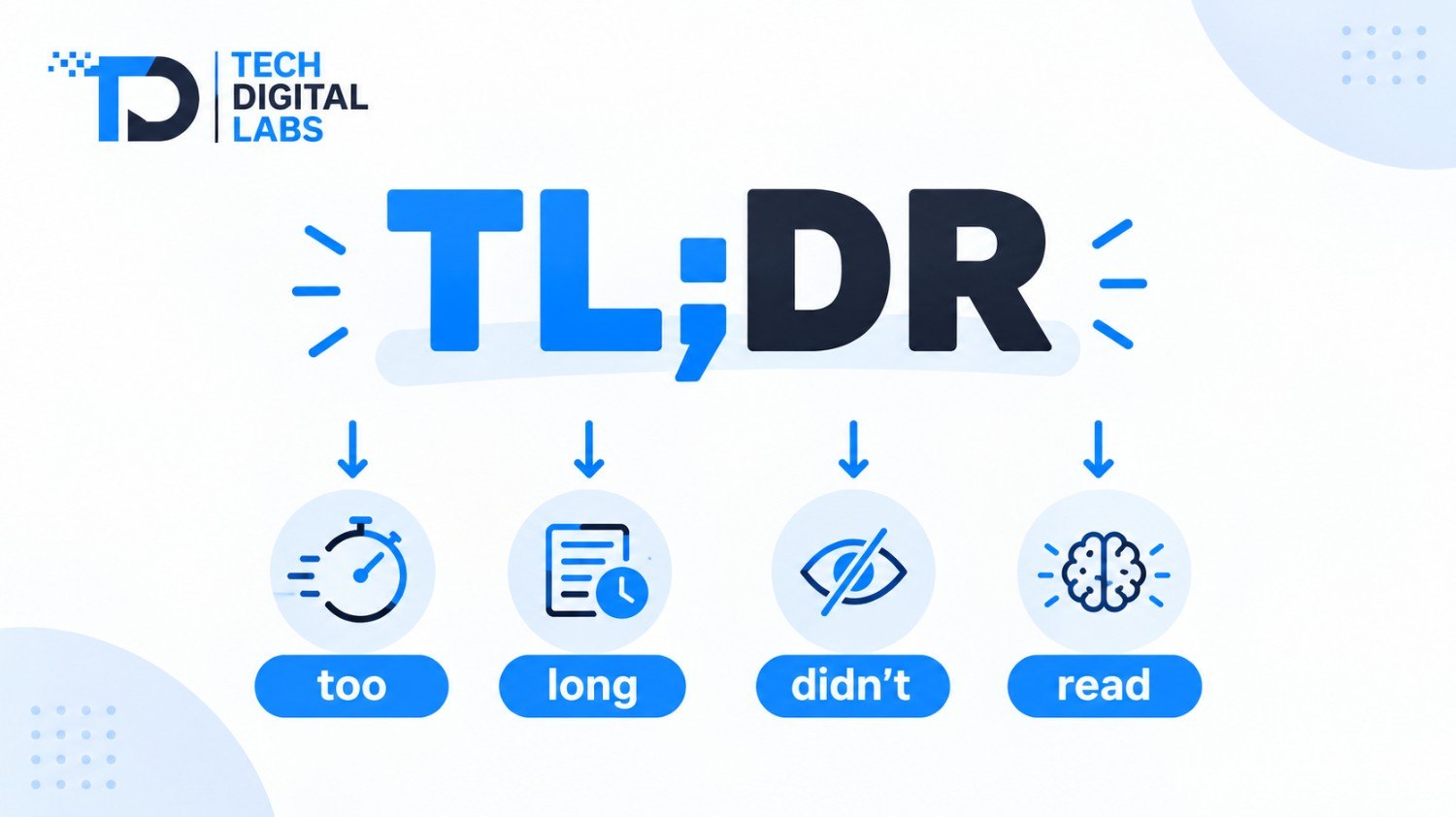
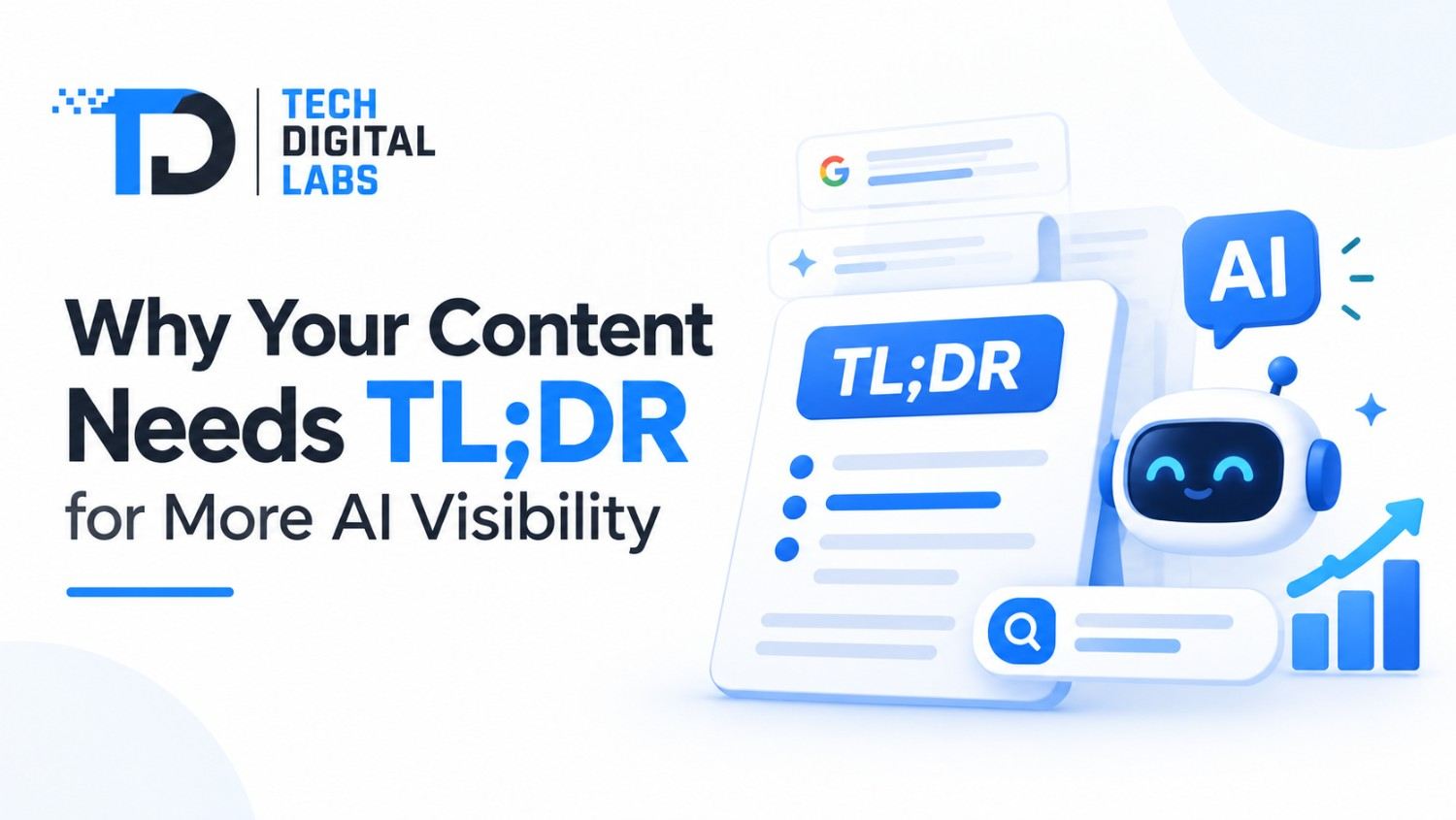
TL;DR is a short overview that gives the gist of a piece of content upfront. The term stands for "Too Long; Didn't Read." It started as internet shorthand but is now a standard feature in blogs, guides, reports, and other long-form content.
A good TL;DR doesn't replace the article — it gives readers a fast, accurate answer before they commit to reading the rest. This matters because most people scan a page first to decide whether it's worth their time.
A guide on technical SEO can run long, covering crawling, indexing, internal links, structured data, and page quality. A TL;DR condenses the core answer into 40–60 words, and the rest of the page then proves and expands on that answer.
Why AI Search Rewards Answer-First Content
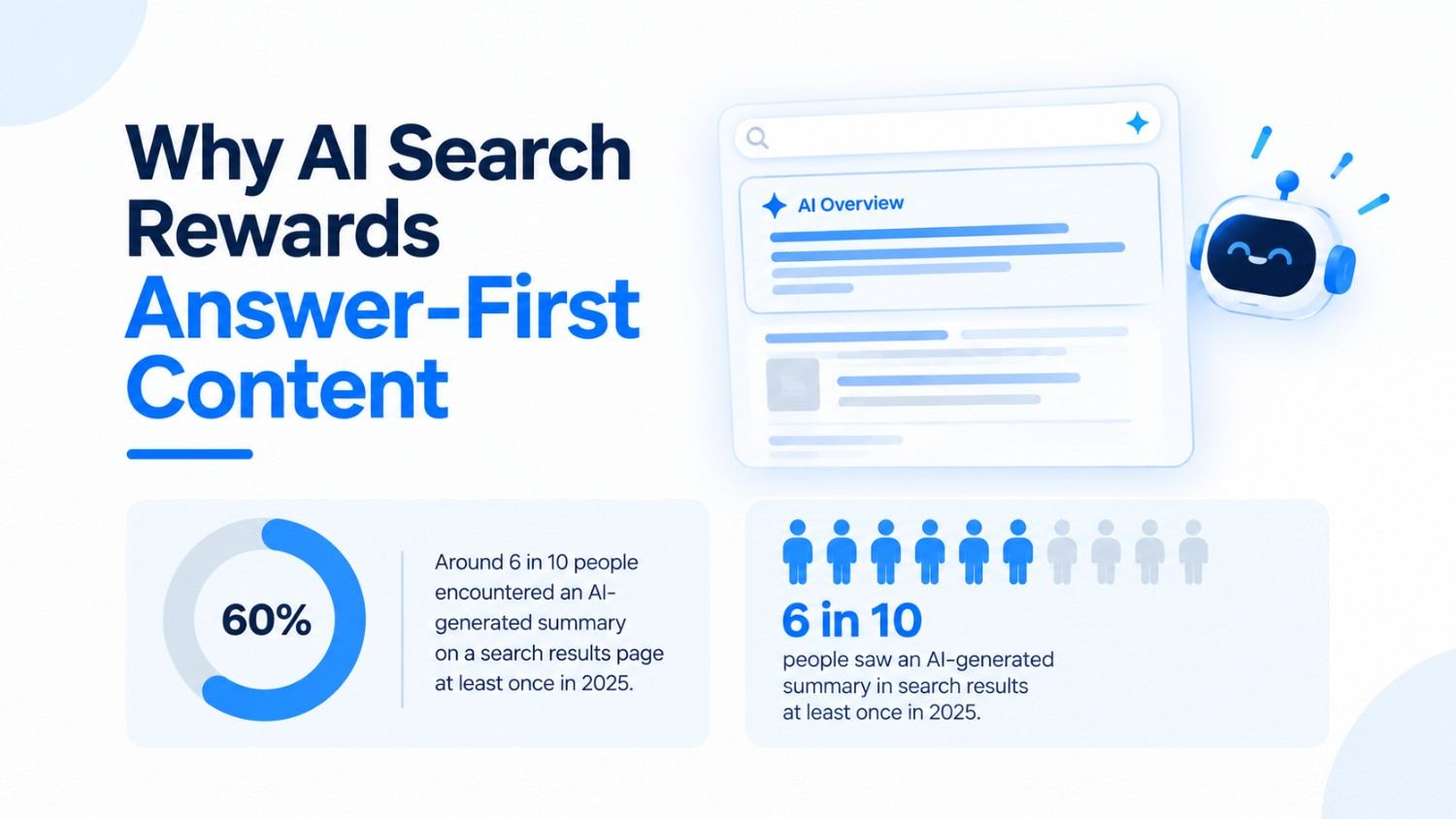
Answer-first content places the most useful information near the top of the page. This approach fits how search itself has changed.
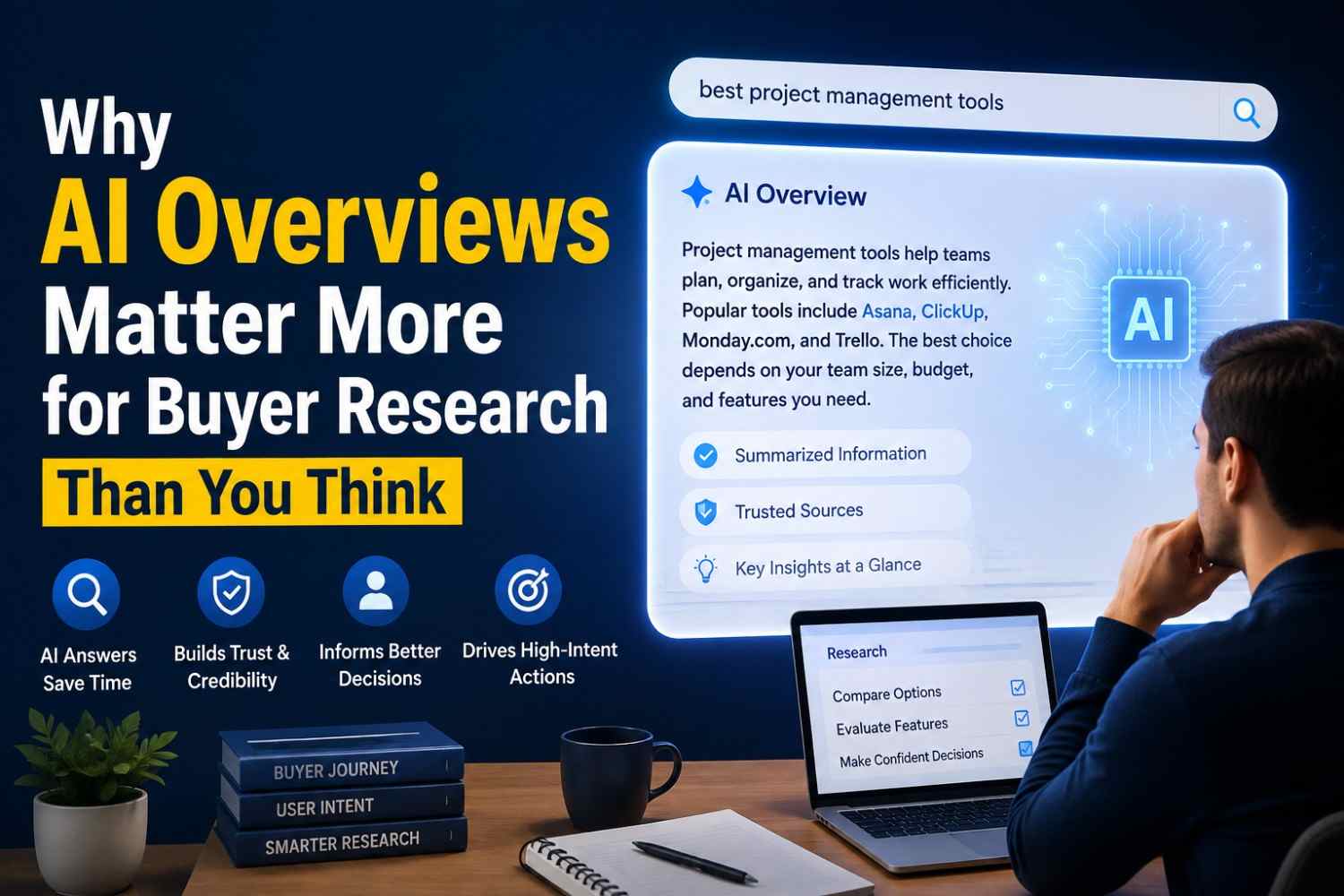
Google's 2026 guidance on AI Overviews and AI Mode confirms that standard SEO practices haven't become outdated — its generative search features are still built on the same ranking and quality systems used across Search. We break down what this shift means for buyer-stage content in our post on how AI Overviews are reshaping buyer research.
That doesn't mean Google simply lifts your first paragraph and displays it. AI search synthesises information from multiple sources, so your content still needs to be deep, accurate, well-organised, and genuinely informative.
What has changed is who you're writing for. Good content now needs to serve two readers at once — the person who wants a fast answer, and the person who wants the full story.
Pew Research Centre's study of 2025 browsing data found that roughly six in ten people encountered an AI-generated summary on a search results page at least once that month — one more reason clear, well-structured answers matter.
TL;DR vs. Key Takeaways: They Are Not the Same
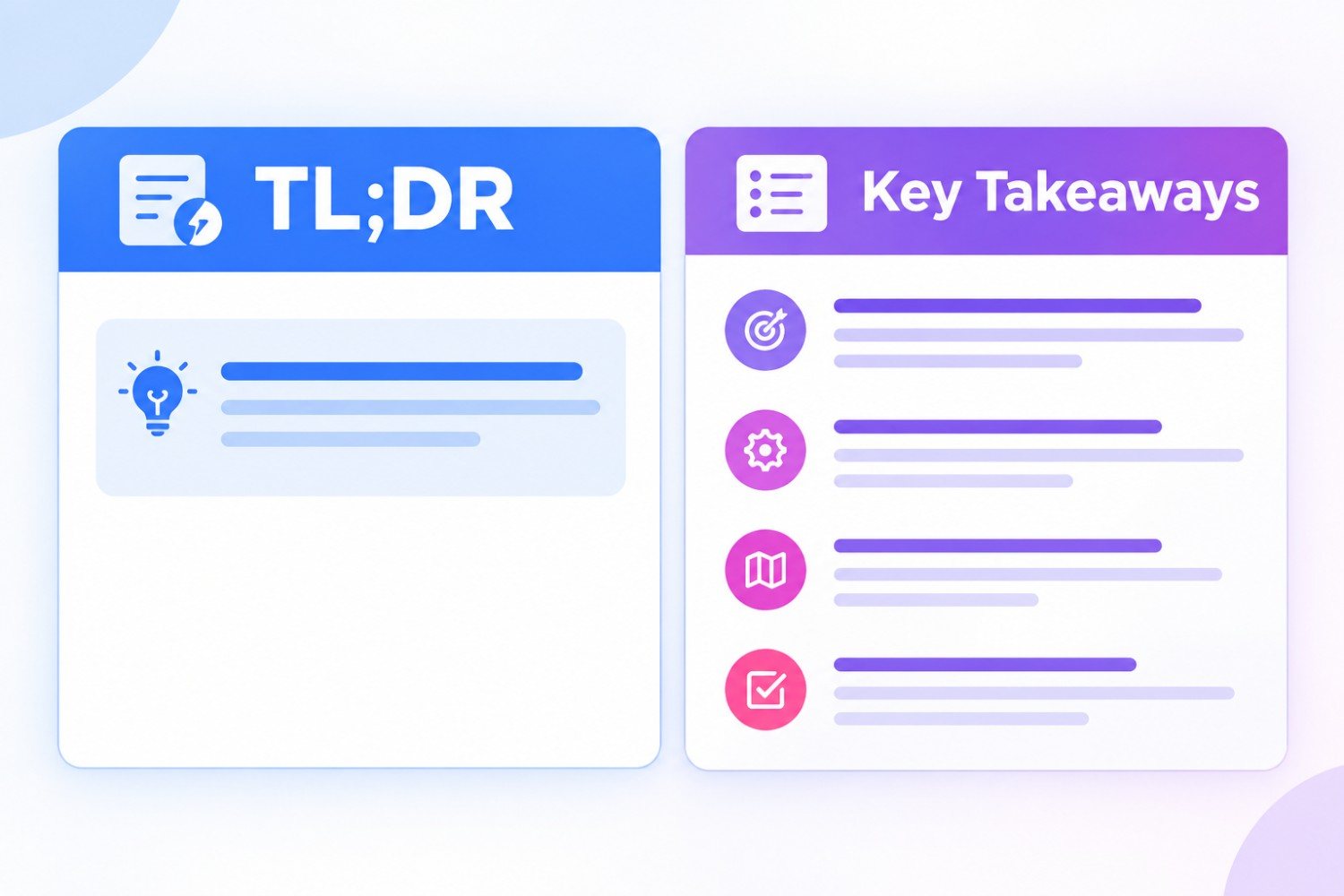
A TL;DR gives the main answer; key takeaways outline the supporting points. Think of the TL;DR as the conclusion brought forward, and the key takeaways as a map of what's ahead.
For example:
- TL;DR: Gives the direct answer to the main query.
- Key Takeaway: Explains why that answer matters.
- Key Takeaway: Highlights a method or example that supports it.
- Practical Next Step: Tells the reader what to do next.
Used together, they make a long page easier to scan and give it a clear content hierarchy.
The AI Citation Test: Can Your First 60 Words Stand Alone?
The AI Citation Test asks a simple question: is your opening understandable without the rest of the article? Try it on your next post.
Read the first 50–60 words, then ask:
- Is the topic clear?
- Does it answer the main question?
- Are the key entities named?
- Does it make a specific claim?
- Does it avoid vague, sales-heavy language?
Five "yes" answers means your opening is solid.
This doesn't guarantee an AI citation — no legitimate SEO technique can promise that. Our Answer Engine Optimization service covers this in more depth if you want to go further. But a strong opening still gives readers and search systems a clean, reliable starting point.
TL;DR Is Not a Shortcut to AI Visibility
A TL;DR strengthens content structure — it doesn't fix weak content. This distinction matters. Even a well-written summary won't lift a page that has thin substance, weak sourcing, shallow topic coverage, or unproven claims.
Google's recent AI-search guidance, discussed further in our recap of the August 2026 spam update, tells site owners to focus on original, valuable, non-commodity information and to keep pages easy to crawl. It also warns against treating third-party tools as secret AI-ranking signals.
So make a TL;DR part of your content plan — then build the rest of the page around:
- Search intent
- Original information
- Relevant entities
- Clear facts
- Expert input
- Helpful examples
- Internal links
- Strong technical SEO
That combination is what supports both SEO and Generative Engine Optimization (GEO).
The Summary-to-Source Content Architecture
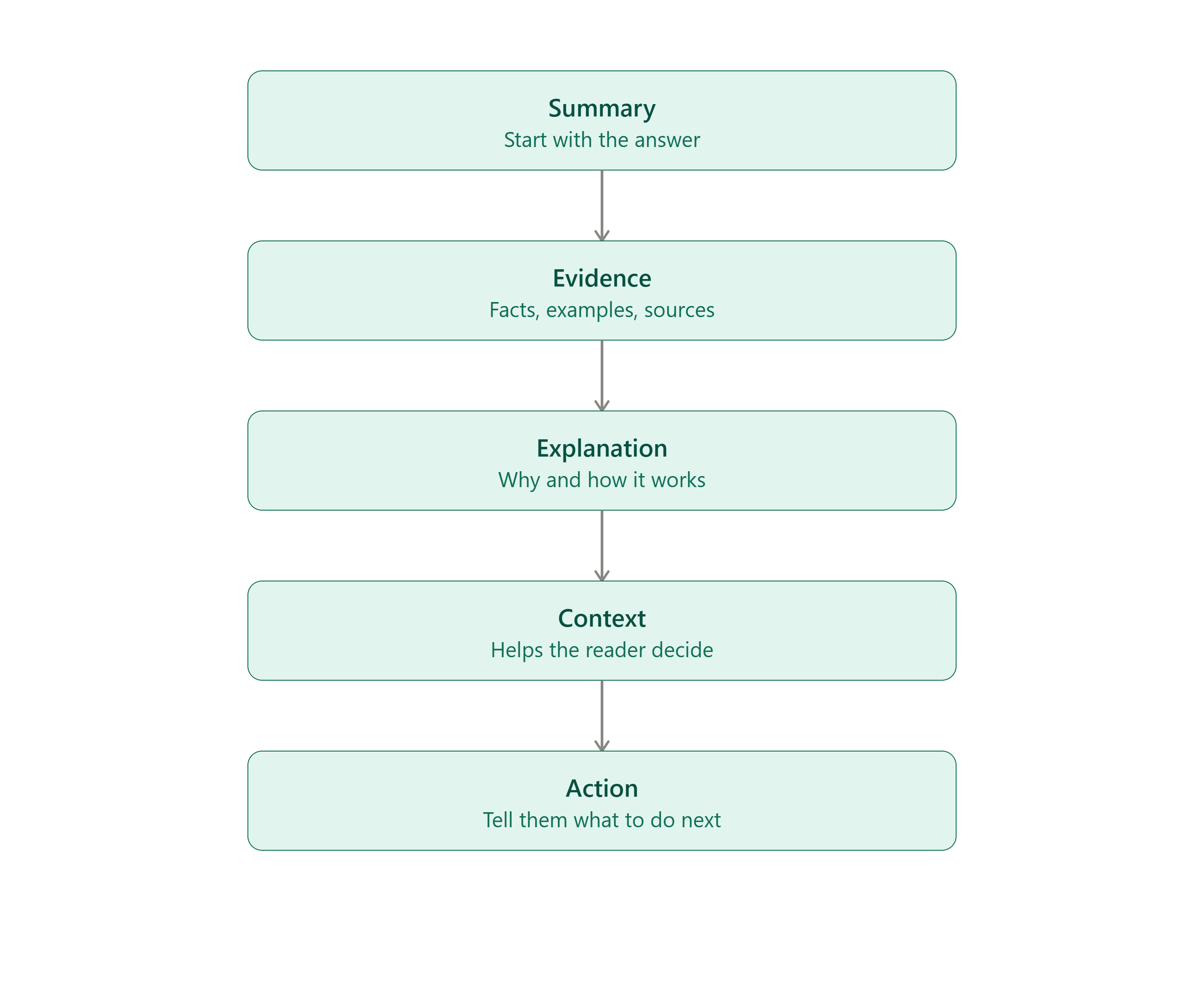
Summary-to-Source architecture connects a short answer to the evidence and detail that back it up.
Use this flow: Summary → Evidence → Explanation → Context → Action
Start with the answer. Then support it with facts, examples, or trusted sources. Next, explain why and how that answer works. After that, add context that helps the reader make a better decision. Finally, tell them what to do next.
This structure also helps content teams avoid a common mistake: writing a summary that claims more than the article can actually back up. In short, your TL;DR needs a body of evidence behind it — not just a confident opening line.
How to Add TL;DR to Existing Content
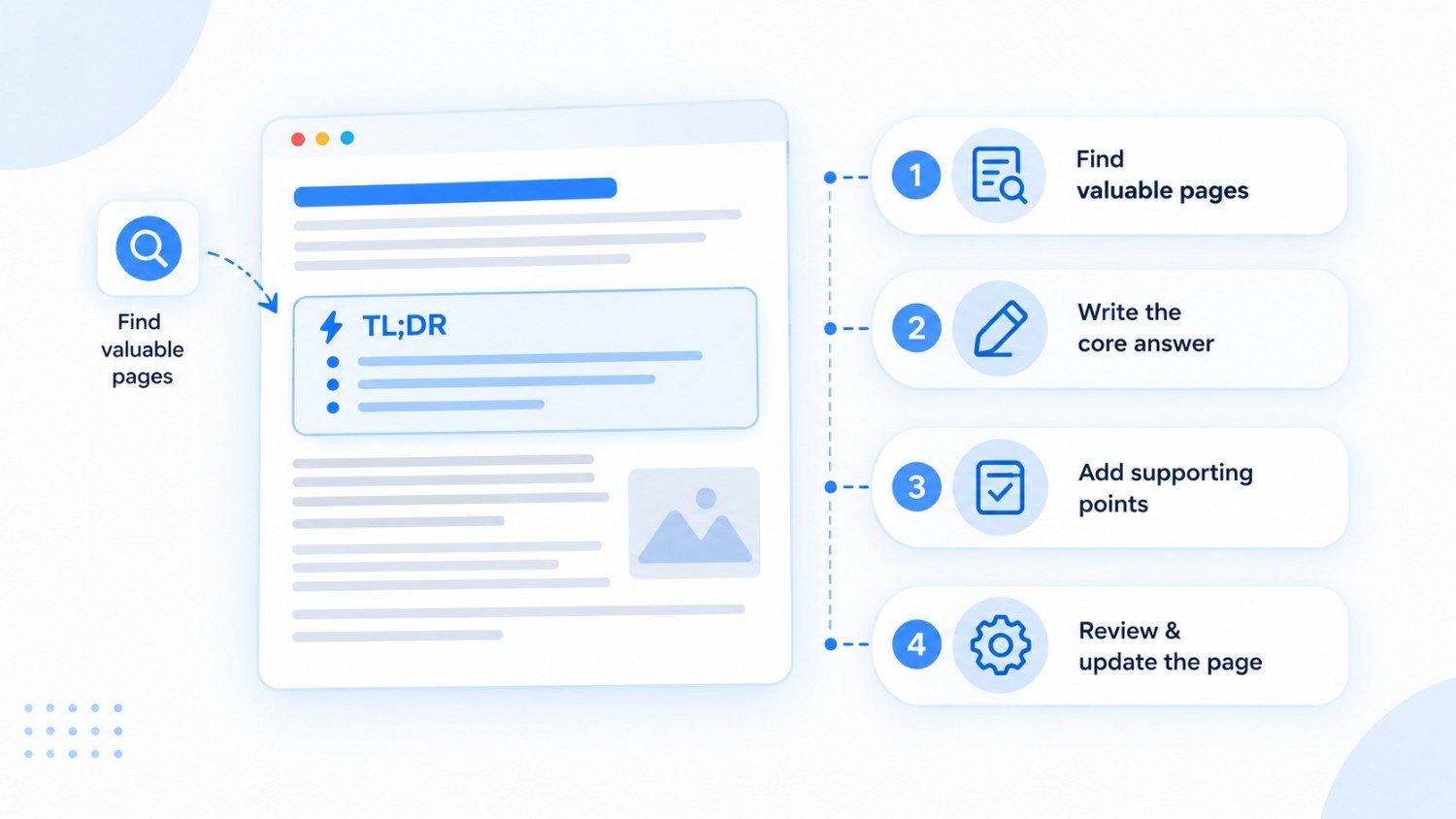
Retrofitting means adding a helpful TL;DR to content that already exists.
Start with your most valuable pages. Check Google Search Console for pages that get impressions, clicks, or rankings, then look for posts where the main answer is buried in a long introduction.
Next, identify the core question the page is answering. Write a short, accurate answer using information already supported in the article, and include three or four supporting points if the topic needs them.
Finally, review the page for gaps. Update outdated information, strengthen weak sections, add helpful internal links, and make sure the summary still reflects the article.
If a page needs more than a summary fix, our SEO content writing and SEO audit services can help you rebuild it properly.
Don't add a TL;DR because it's trendy. Add it because it makes the page better.
The TL;DR Quality Score: A 5-Point Check
The TL;DR Quality Score checks whether your summary is clear, useful, and accurate.
Give your summary one point for each "yes":
- Clarity: Does it make sense immediately?
- Relevance: Does it answer the main query?
- Specificity: Is it free of vague, filler language?
- Entity clarity: Does it name the key subject?
- Consistency: Does the rest of the article support it?
A score of 5/5 means your summary has a strong foundation. It's a simple check worth adding to your editorial process — we cover more checks like this in our post on content agility and discoverability.
Do Not Write for AI Instead of People
People-first content is still the foundation of AI-search optimisation. Google's guide to generative AI search features reinforces that the fundamentals of SEO haven't changed — and no page is guaranteed a spot in AI features just because it's optimised.
So don't stuff your page with repeated keywords or robotic-sounding answer blocks. Instead:
- Make answers clear, because people need them
- Use short sentences
- Name things clearly
- Support important claims
- Add real insight
Then add a TL;DR so readers can reach the point faster.
How TechDigital Labs Can Help With AI-Ready Content
TechDigital Labs helps businesses build content and digital strategies for modern search. As a full-service digital marketing agency, we combine search engine optimisation, content marketing, web development, and custom software development to help businesses grow their visibility.
We build content that's clear, well-sourced, and aligned with search intent — structured to work for both traditional rankings and AI-powered search experiences. Whether you need SEO, digital marketing, a new website, or a broader digital strategy, our team can give your business a stronger foundation to grow from.
If you want a trusted digital marketing partner to help you turn this into a repeatable content process, get in touch with our team to talk through your goals.
Frequently Asked Questions
These questions reflect common discussions from the SEO and blogging community online. They've been paraphrased, not copied.
1. Does every blog post need a TL;DR?
No. A TL;DR works best on long pages or ones answering a specific question. Short pages often don't need one.
2. Can a TL;DR improve SEO rankings?
Not by itself. It can improve clarity and structure, but it isn't a ranking factor on its own — your content still needs to satisfy search intent and deliver real value.
3. Should a TL;DR go at the top of an article?
Usually, yes. Placing it near the top helps readers find the key answer quickly and gives search systems clear context early on.
4. Does a TL;DR make long-form content less useful?
No. A good summary gives readers a choice — those who want a quick answer get one, and those who want full detail can keep reading.
5. Does adding a TL;DR guarantee an AI Overview citation?
No. AI visibility depends on many factors. Google has said its generative search products draw on its broader ranking and quality systems — so a summary should support a strong page, not substitute for one.
Conclusion
A TL;DR makes your main answer easier to find — but strong content is what makes that answer worth citing.
The approach is straightforward: answer the main question up front, back it up with useful information, use credible sources, and keep the page easy to read.
If you want help turning this into a repeatable content strategy, our team offers SEO, digital marketing, web development, and custom software development services to support long-term growth. Visit our AI search optimisation agency to see how we can help your content get found by both search engines and AI systems.